
Grandson of Armenian Genocide Survivor Exposes Political Hypocrisy Over Recognition
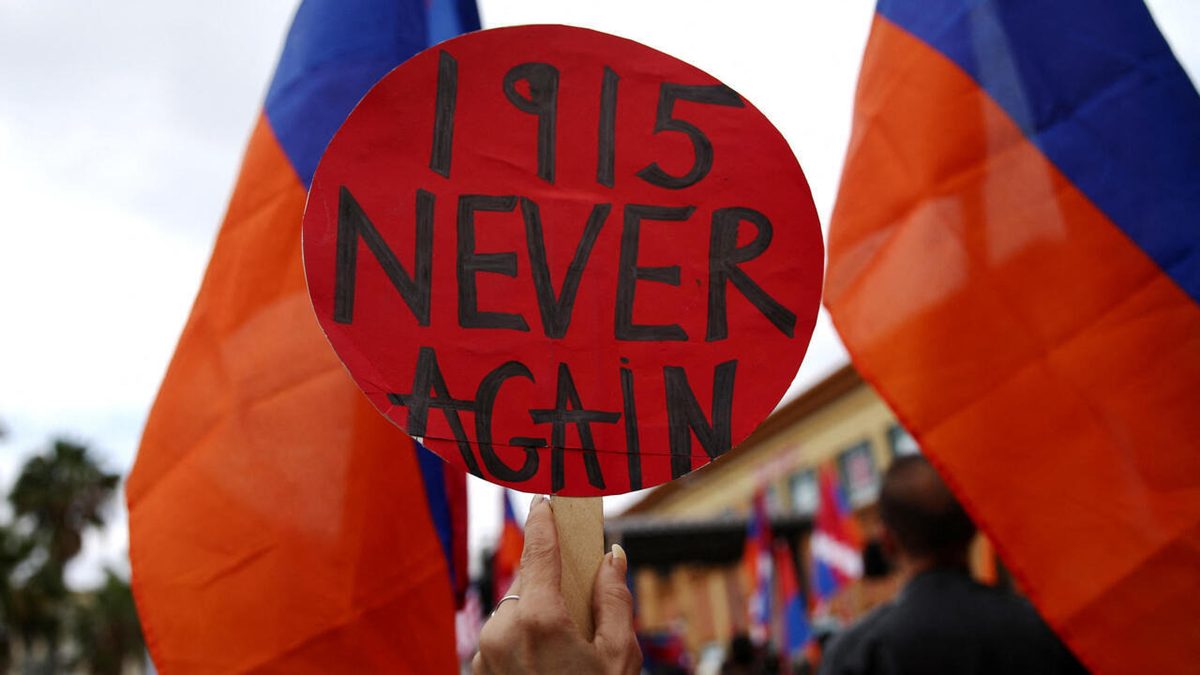
Armenian-American activist Stepan Pechdimalji recently shared his family's tragic survival story during the 1915 events in the Ottoman Empire. He strongly criticized nations that weaponize the recognition of the Armenian Genocide, using it merely as diplomatic leverage rather than a matter of historical justice.
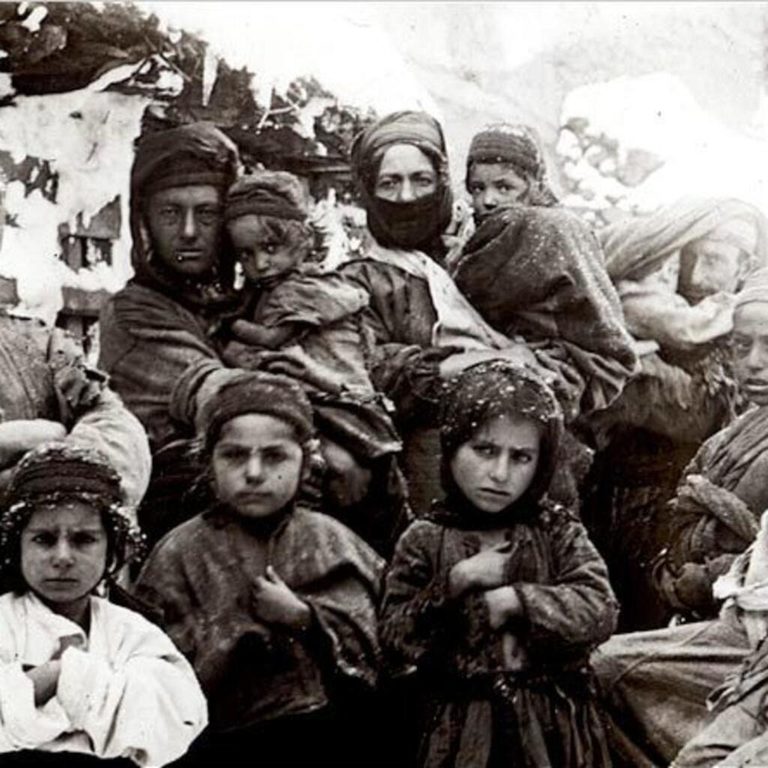
Stepan Pechdimalji's grandfather was born in 1900 in Yozgat, a city in the Ottoman Empire. When he was 15, Turkish soldiers took away his father and brother, and they were never seen again. His mother managed to hide the young boy, who later escaped to Aleppo, Syria, before eventually settling in Egypt. There, he met and married his wife, a refugee from Smyrna (present-day Izmir). According to the activist, his grandfather taught him a profound lesson: never to harbor hatred toward the Turkish people. He believed the government was solely responsible, noting that the general public was never taught the true history.
Political Interests and the Struggle for Recognition
Pechdimalji points out that for a century, Turkey has actively blocked efforts to recognize the genocide. As a result, only about 35 nations—including France—have officially acknowledged the historical facts. The activist expressed deep skepticism regarding recent statements by Israel's Foreign Minister about potentially recognizing the genocide, viewing it merely as a political maneuver aimed at Turkey. Ultimately, the Israeli parliament indefinitely suspended the recognition vote. This delay was largely attributed to pressure from Azerbaijan, a crucial ally that supplies roughly 50 percent of Israel's oil and holds a strategic geopolitical position along the Iranian border.

True Recognition Requires Action
The Armenian-American advocate stresses that political declarations are simply not enough. He points to the actions of the United States as a prime example.
“When Joe Biden recognized the genocide, it was great. But then he allowed Azerbaijan to carry out ethnic cleansing of 120,000 Armenians,” he noted during an interview with RFI.
Currently, Azerbaijan is attempting to rewrite history by systematically destroying Armenian churches and cultural monuments, while the Azerbaijani leadership openly refers to sovereign Armenia as “Western Azerbaijan.” Pechdimalji adds that every year on April 24, young people across the US gather to honor the memory of the 1.5 million victims. Their goal is to send a clear message: without concrete, practical steps, the international promise of “never again” completely loses its meaning.
This article was generated automatically using AI based on reporting from established news sources. All sources are listed below.
The essentials, no spam.