Iran Blocks Strait of Hormuz as Trump Tells Americans to Accept Higher Gas Prices
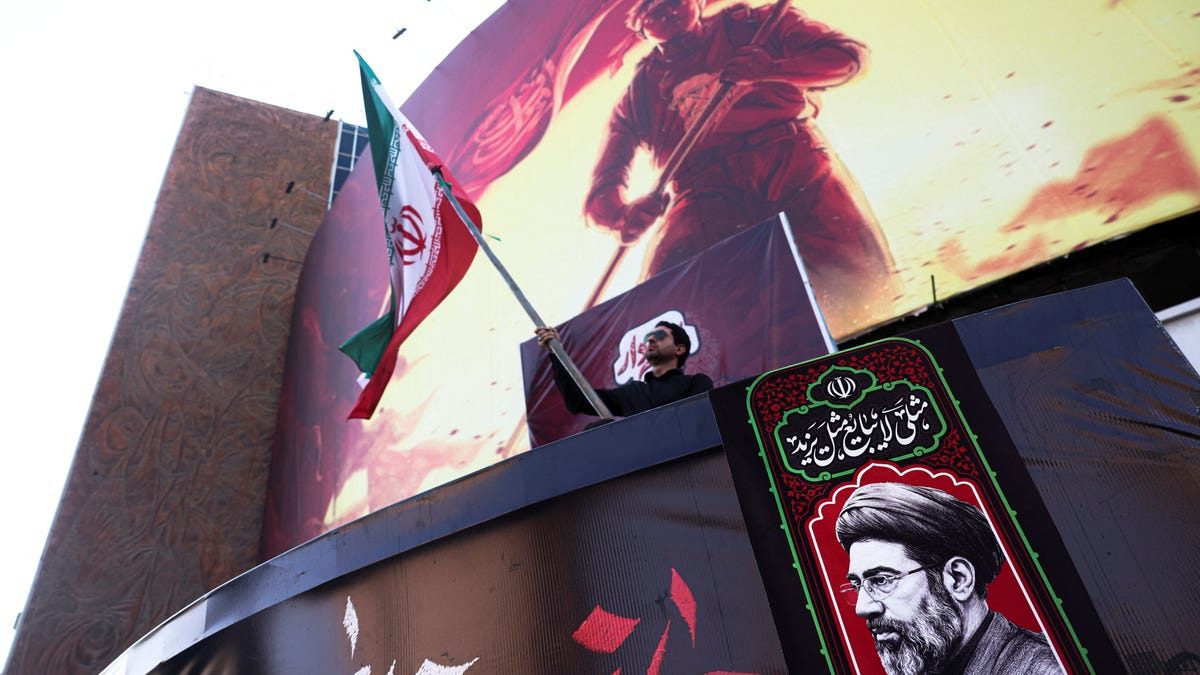
The escalating conflict between Iran and the U.S. has brought shipping in the Strait of Hormuz to a near halt. As Tehran maintains its blockade, U.S. President Donald Trump is urging Americans to brace for soaring fuel prices, framing the economic hit as a necessary cost to prevent a nuclear-armed Iran.
The ongoing conflict, which escalated on February 28 following actions by the United States and Israel, has deepened the divide between the warring parties. As the Trump administration tightens sanctions and enforces a naval blockade, Tehran is banking on skyrocketing global oil prices to force Washington into concessions, according to the WSJ.
Strait of Hormuz Blockade
Before the conflict erupted, the Strait of Hormuz handled one-fifth of global oil exports, with roughly 130 ships passing through daily. According to an analysis by Kpler, only 2 vessels navigated the strait on Friday: a grain ship heading to Iran and an empty freighter moving in the opposite direction. Additionally, 1 empty gas tanker entered the Gulf, but no crude oil movement was recorded, USA Today reports.
Vessels attempting to transit the strait without Iranian authorization face severe risks. The UAE's national oil company reported that 2 of its ships were attacked on Thursday evening, followed by another vessel on Friday.
"This strait will be opened and closed only by Iran's command," Iran's Deputy Foreign Minister Kazem Gharibabadi wrote on social media (USA Today).
Economic Fallout and Fuel Prices
The de facto closure of the critical waterway has pushed crude oil futures up by another 1 dollar. Over the week, Brent and West Texas Intermediate (WTI) futures surged by 6.0% and 5.4%, respectively. Reuters notes that the Iranian war is also taking a toll on Lebanon's creative sector while putting immense pressure on Gulf economies.
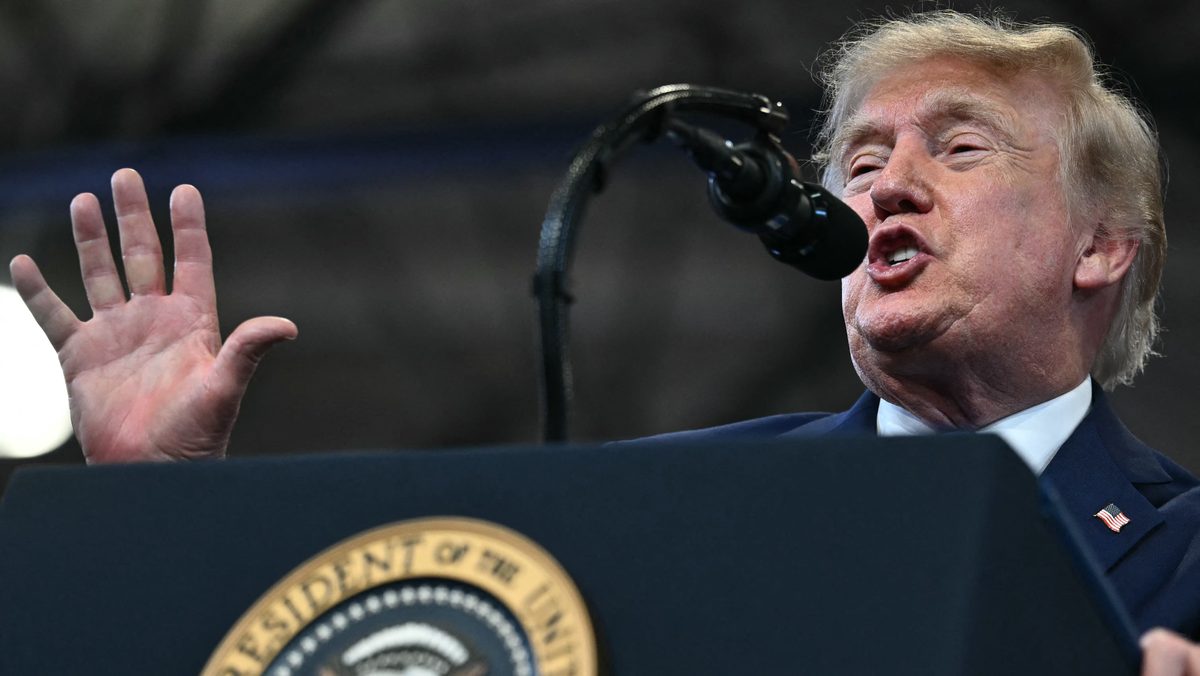
In the United States, the average price of gasoline has reached 4.08 dollars per gallon—a 29% increase compared to last year's 3.16 dollars. Speaking to supporters in Garden City, New York, Donald Trump argued that higher costs at the pump are a worthy price to pay to prevent Iran from developing nuclear weapons.
"What we are doing is a great service for the world... and we are doing a really great job," Trump declared (USA Today).
The U.S. President also noted that the 260-day deployment of an American aircraft carrier is not enough. Meanwhile, U.S. Treasury Secretary Scott Bessent promised new sanctions next week during an appearance on "Rob Schmitt Tonight." In response, Iranian President Masoud Pezeshkian blamed the United States' blockade of its ports for the country's soaring inflation.
Diplomatic Deadlock
Iranian Foreign Minister Abbas Araghchi stated on Saturday that no decision has been made yet to resume negotiations with the U.S., adding that Qatar and Pakistan are currently only passing messages between the two sides. Meanwhile, regional tensions continue to flare:
- Yemen's Houthi rebels fired 6 ballistic missiles at the Red Sea port of Mokha, claiming the lives of 4 civilians.
- A Houthi drone targeted a Saudi Aramco facility in the city of Najran, Saudi Arabia.
This article was generated automatically using AI based on reporting from established news sources. All sources are listed below.
The essentials, no spam.