
Non-Combat Deaths in the Armenian Army: Conflicting Statistics and the Search for Accountability
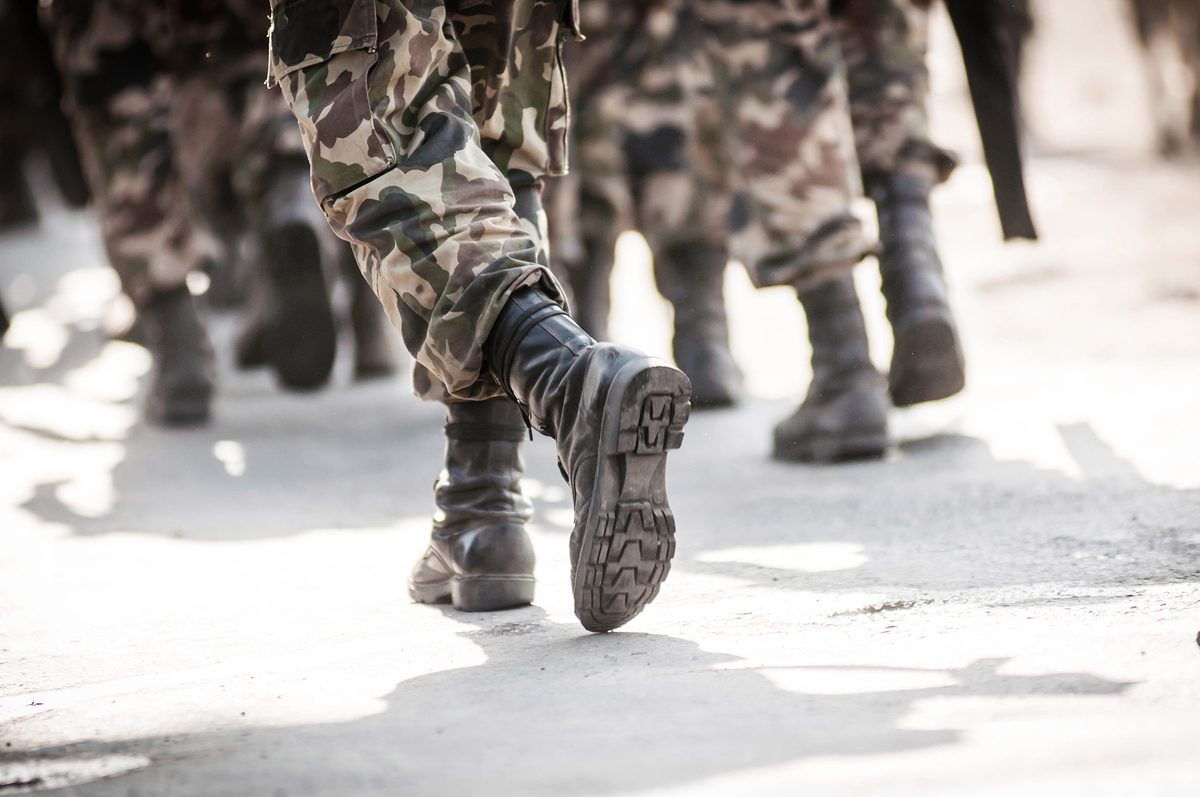
Ongoing debates in Armenia highlight a growing crisis over non-combat deaths within the armed forces. With striking disparities between official government statistics and those presented by human rights organizations for 2026, authorities have initiated major personnel changes within the Military Police in an attempt to address the escalating issue.
Public discussions continue in Yerevan regarding the causes of and accountability for non-combat deaths in the Armenian Armed Forces. The situation has intensified following a recent string of reported suicides. After an incident on July 21, the body of conscript Grigor Zakaryan was discovered on August 13 with a fatal gunshot wound. In both cases, Armenia's Investigative Committee—the country's primary state investigative agency—launched criminal proceedings under the article of
"negligently driving to suicide."
Sharp Contradictions in Statistics
According to Nazeli Movsesyan, a human rights defender from the Vanadzor office of the Helsinki Citizens' Assembly, 31 deaths have already been recorded in the army during the first eight months of 2026. She emphasized that throughout the entirety of 2025, a total of 35 deaths were recorded, 10 of which were strictly related to military service. This year, the number of service-related deaths has already reached that same figure.
The Ministry of Defense strongly denies these figures. Aram Torosyan, the Ministry's spokesperson, stated that only 11 deaths have been recorded in 2026. According to him, only 5 of the deceased were conscripts, and the causes of death include illnesses and landmine explosions. Of the 11 deaths mentioned, 6 are classified as suicides or cases of being driven to suicide, but the Ministry claims only 3 are directly linked to military service.
Addressing the figure of 30 deaths circulating in the local press, Torosyan dismissed it as manipulation, arguing that the nature of these incidents is rarely clarified by critics.
"Even if the deaths were related to service, are they all murders and suicides?"he questioned.
Causes and Accountability
Human rights advocates point directly to the Minister of Defense and the Chief of the General Staff, holding them responsible for incidents like the death of Narek Torosyan, drafted in January 2026, and others. However, Armenian Prime Minister Nikol Pashinyan disagreed with this approach.
"In my assessment, it is not the case that the Chief of the General Staff and the Minister of Defense are failing to make sufficient efforts to resolve this issue,"he stated.
Nikol Pashinyan elaborated that 85 to 90 percent of suicides in the military are primarily driven by gambling addiction and accumulated debts, as well as the disciplinary issue of soldiers falling asleep on duty. According to the Prime Minister, a soldier who sleeps on watch endangers their peers, which leads to resentment and social isolation within the unit.
Human rights defender Nazeli Movsesyan countered these claims. She argued that gambling is a broader societal issue rather than a strictly internal army problem, and that soldiers falling asleep on duty points to systemic administrative failures.
"Are there sufficient human resources to ensure that every soldier has adequate time to rest?"she challenged.
Personnel Changes and Preventive Measures
In an effort to address the crisis, the authorities have resorted to high-level personnel changes. By presidential decree, the Chief of the Military Police, Ashot Zakaryan, was dismissed after holding the position for 6 years. He was replaced by Major General Aram Hovhannisyan, who served as Deputy Minister of Internal Affairs and Chief of Police between 2023 and 2025. Further changes are anticipated within the Defense Ministry's Department of Moral and Psychological Support.
Simultaneously, the Ministry of Defense has initiated consultations with professors from the psychological research center at Yerevan State University to improve mental health support in the military. Discussions are also underway with conscript sergeants and officers aimed at eliminating hazing and non-statutory relations among troops.
This article was generated automatically using AI based on reporting from established news sources. All sources are listed below.
The essentials, no spam.