
Preserving Lost Heritage: New Book Details the Excavations of Ancient Tigranakert in Artsakh
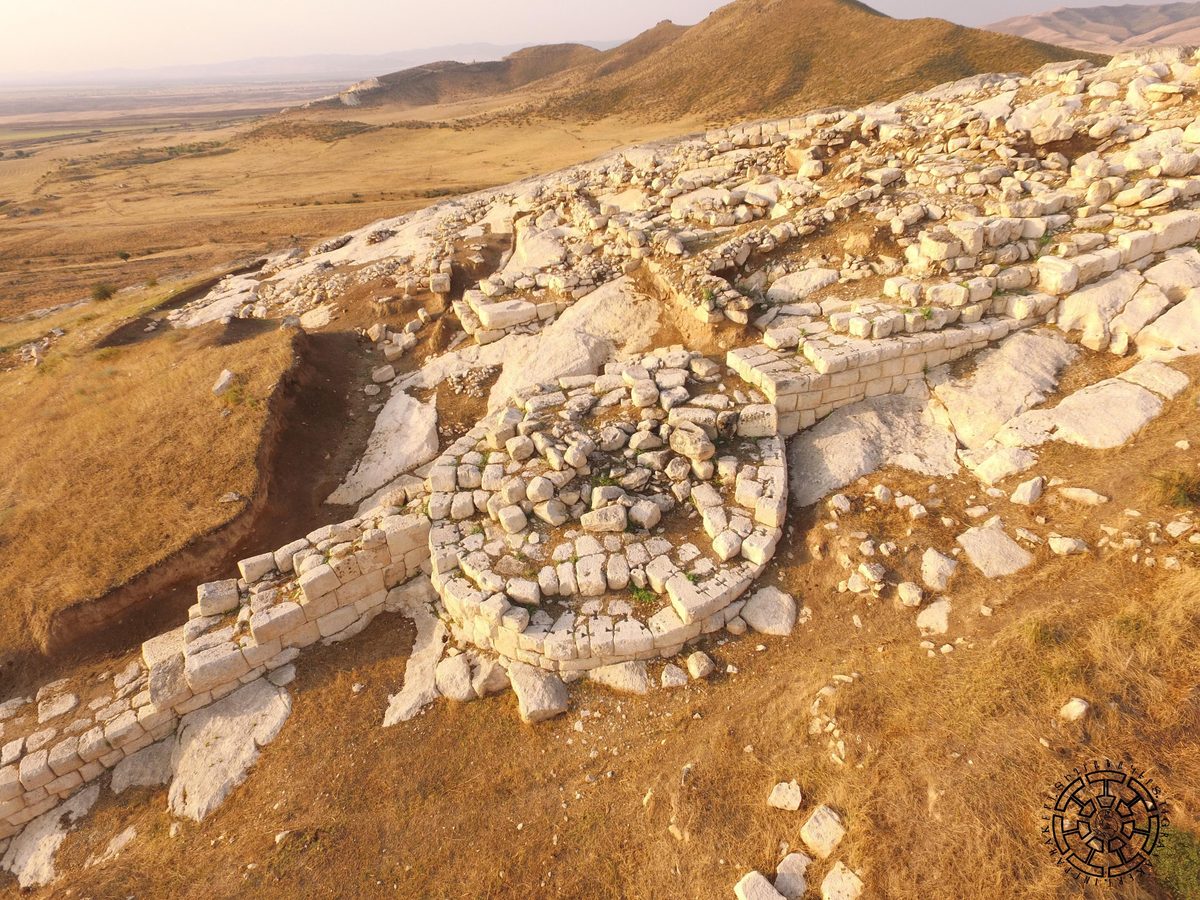
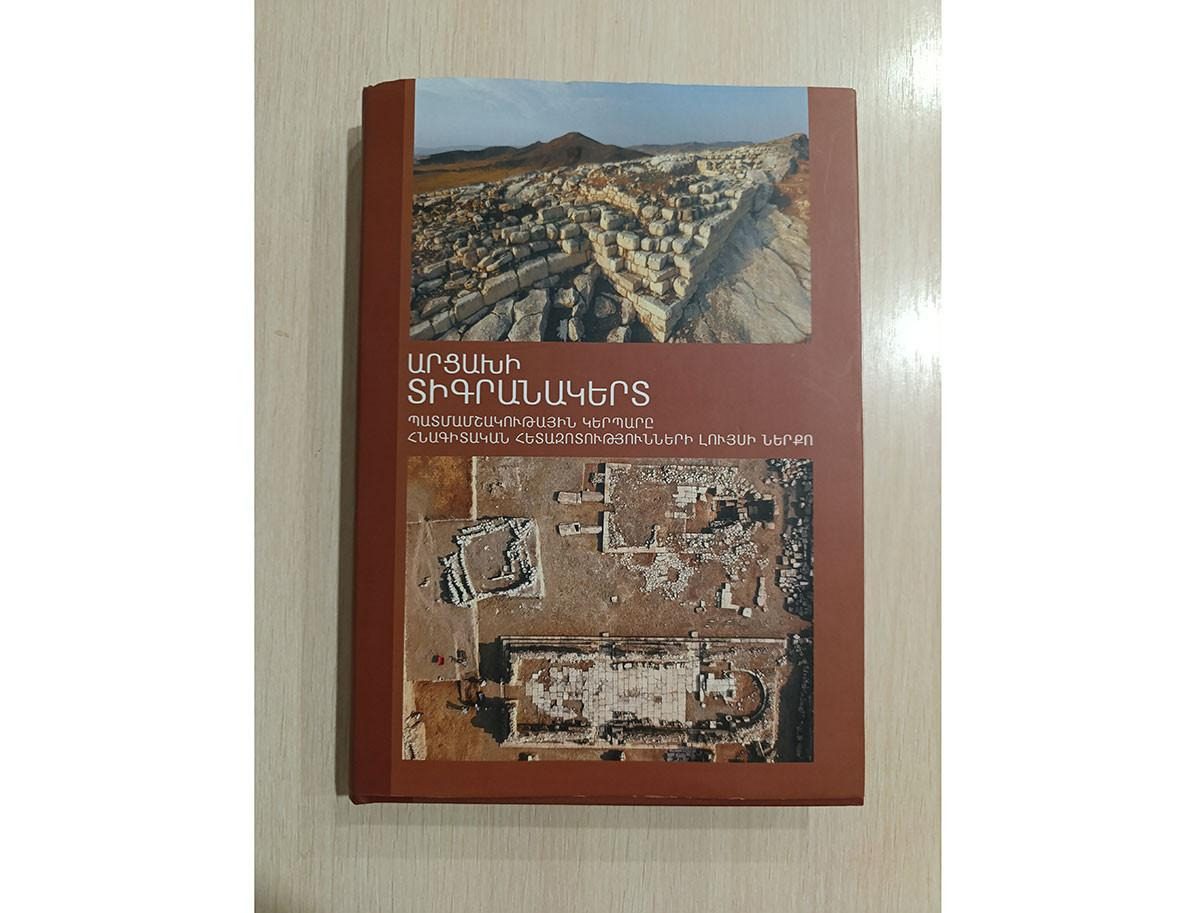
A comprehensive volume dedicated to the archaeological excavations of the ancient city of Tigranakert in Artsakh was published in 2025. Spearheaded by Professor Hamlet Petrosyan, the work encapsulates the findings of expeditions conducted between 2006 and 2020, serving as a vital record of the region's historical heritage.
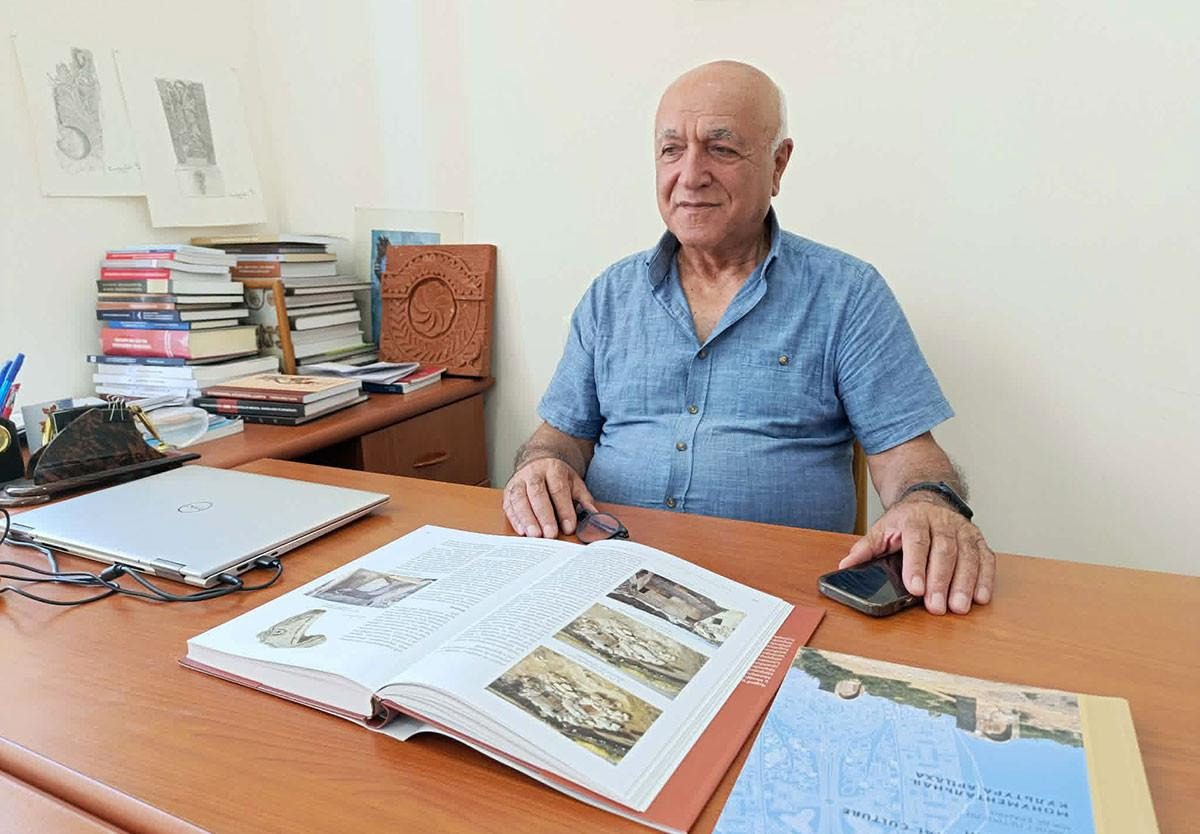
In 2025, a new book dedicated to the history and archaeological research of Tigranakert in Artsakh was published. The work was endorsed by the scientific councils of the Institute of Archaeology and Ethnography and Yerevan State University. Initiated and led by expedition head Professor Hamlet Petrosyan, the publication features contributions from 21 authors and contains around 600 photographs and diagrams.
The Urgency After November 9
The idea to publish this book existed as early as 2012, but at the time, the team decided to continue their on-site research. Over those 8 years, the expedition managed to find answers to numerous historical questions. However, the situation changed drastically after November 9, 2020 (the ceasefire agreement ending the Second Nagorno-Karabakh War, which resulted in the loss of Armenian control over the territory). The loss of the archaeological site made the publication of this book an absolute necessity. Quoting a source from Hetq.am, the expedition leader emphasizes:
"When reading about Tigranakert, people shouldn't have to search through various scattered articles. Ultimately, this is our last chance."
The Historical Significance of Tigranakert
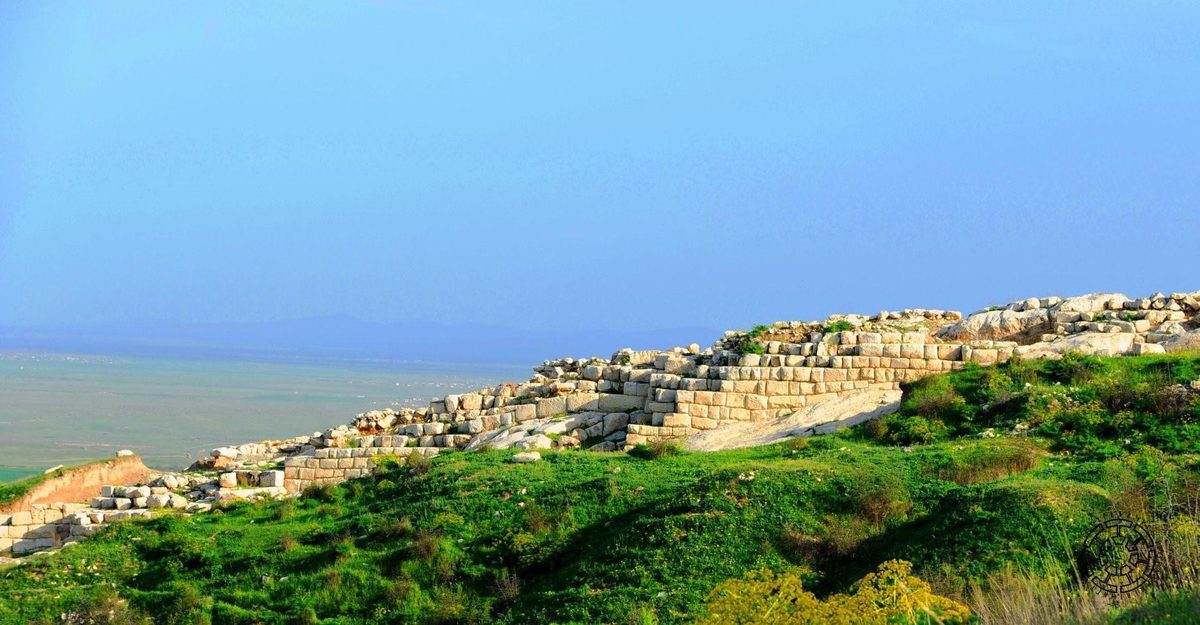
Tigranakert in Artsakh was founded in the 90s BC by the Armenian King Tigran II the Great (who ruled from 95-55 BC). The ancient city is located in the Khachenaget River valley at the foot of Mount Vankasar, covering an area of over 70 hectares. The site was discovered in 2005, and official excavations commenced in 2006. An archaeological museum was subsequently established there in 2010. Recalling the initial phase of the digs, Professor Petrosyan notes:
"We found fortification traces and pottery roughly dating back to Tigran's era, and from there, we began our excavations."
In the upper layers of the soil, archaeologists discovered samples of colorful painted pottery dating back to the 2nd-1st centuries BC.
Refuting Azerbaijani Historical Claims
The archaeological work has also been instrumental in refuting false Azerbaijani historical narratives. For instance, Azerbaijani professor Yampolsky claimed that certain marks on the rocks were traces of a road leading to a Caucasian Albanian church. However, research by Armenian scientists proved that these traces are interrupted, indicating they are not remnants of a road, but rather a different type of structure carved directly into the rock. Previously, in 2013, the excavation team took a memorable photograph in Tigranakert, inspired by their discoveries—findings that are now thoroughly documented and preserved in this new comprehensive publication.
This article was generated automatically using AI based on reporting from established news sources. All sources are listed below.
The essentials, no spam.