Reform or Ruin? The Uncertain Future of Armenia's Small Rural Schools

The Armenian parliament is once again actively discussing the optimization program for the republic's small rural schools. This September, educational institutions in select communities of the southern Syunik region will continue operating with a minimum number of students. While authorities describe this process as a necessary step to ensure quality education, the opposition is raising alarms about the potential depopulation of these villages.
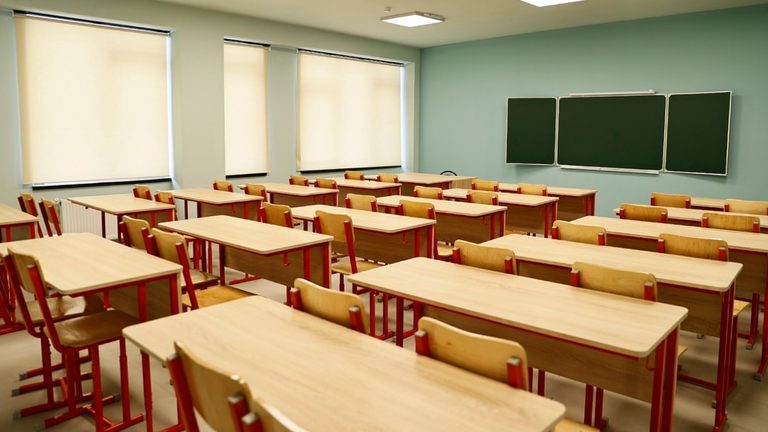
Armenia's southern Syunik region is particularly notable for its abundance of schools with very few students. For instance, the school in the Aghvani community, which boasts an 80-year history, will welcome only one student this academic year: Mika Vardazaryan. According to the school's principal, Margo Mkrtchyan, a staff of 9 people is currently employed to provide education for this single pupil.
A similar situation is unfolding in the village of Salvard, where 10 children are enrolled. Community head Movses Margaryan points out that the absence of a local school could have a severe negative impact on village life.
"But if there is no main village school, it's not very nice; a school somehow changes life," he noted in an interview with Radio Free Europe/Radio Liberty's Armenian service (Azatutyun).
Meanwhile, the construction of a promised new educational complex in Khotanan is facing delays. The former building was demolished, forcing 23 students to temporarily relocate to the village municipality building. Meri Gandalyan, head of the Syunik regional education department, assured the public that no official decision has been made yet to close any schools this September.
Parliamentary Debates
The government's optimization program involves reviewing the fate of 229 schools that currently have up to 100 students, 55 of which are located in sensitive border zones.
Pro-government MP Taguhi Ghazaryan argues that in some locations, up to 20 million dram is spent annually per student, asserting that these funds must be managed more efficiently. The principal of Aghvani's school, however, disputes this figure, stating that their actual expenses do not exceed 11 million dram.
Opposition figures consider this policy highly dangerous.
- Lilit Galstyan, representing the opposition "Armenia" faction, believes this strategy will lead to the emptying of villages and leave the country's rear defenses vulnerable.
- Andranik Gevorgyan, a representative of the "Strong Armenia" party, emphasized that border settlements, in particular, could face critical challenges if their local schools are shut down.
Sisak Gabrielyan, a representative of the ruling party, noted that while there is no official document mandating closures, there is a clear state policy aimed at the reorganization of small schools. According to him, the government is prepared to provide transportation or allocate 2 thousand dram to organize the daily commute of children to neighboring villages.
This article was generated automatically using AI based on reporting from established news sources. All sources are listed below.
The essentials, no spam.