
Armenia Tightens Banking Controls to Block International Sanctions Evasion

New regulations for managing the risks of bypassing international sanctions entered into force in Armenia on August 12. Under a directive from the Central Bank of Armenia, financial institutions must now identify and block suspicious payments before they are processed.
By Decision No. 21, adopted on January 30, the Board of the Central Bank of Armenia approved new regulations that were published on February 11 and officially came into force on August 12. These amendments add Chapter 15.1 to the national banking code, specifically addressing the management of risks related to sanctions evasion.
New Control Mechanisms
Under the new requirements, banks are obligated to conduct in-depth screenings not only of their direct clients but also of other transaction participants, payment geography, and currency types. If changes occur in international sanctions lists, banks have exactly 1 working day to reassess their clients' data. Although the official document does not single out any specific country, Western media and financial analysts evaluate this move as a direct effort to enforce restrictions imposed against Russia amid the war in Ukraine.
Challenges for Russian Capital
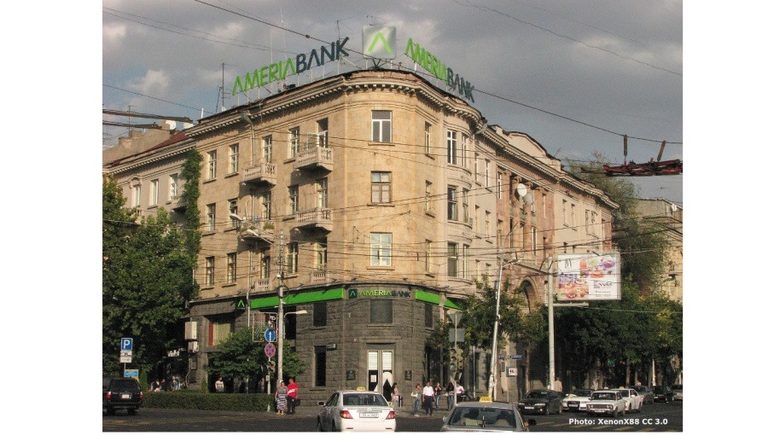
According to official data, Russian citizens had opened more than 70,000 accounts in Armenian banks by July 2022 following an influx of relocants. However, local financial institutions have now begun applying policies of account closures or transaction rejections, citing strict internal compliance requirements.
"If your company or employer has sanctioned founders, it can serve as a basis to reject a transaction, even if you personally have not been subjected to any restrictions," noted financial expert Natalya Smirnova in a Telegram post.
The Broader Geopolitical Context
This tightening of financial oversight coincides with a broader reassessment of diplomatic relations between Yerevan and Moscow. According to public opinion polls conducted in May, 75% of Armenians support the country's potential membership in the European Union. At the same time, maintaining a delicate regional balance, Prime Minister Nikol Pashinyan attended the intergovernmental council meeting of the Russian-led Eurasian Economic Union (EAEU) on August 7, marking his return after an 18-month absence from the bloc's high-level gatherings.
This article was generated automatically using AI based on reporting from established news sources. All sources are listed below.
The essentials, no spam.